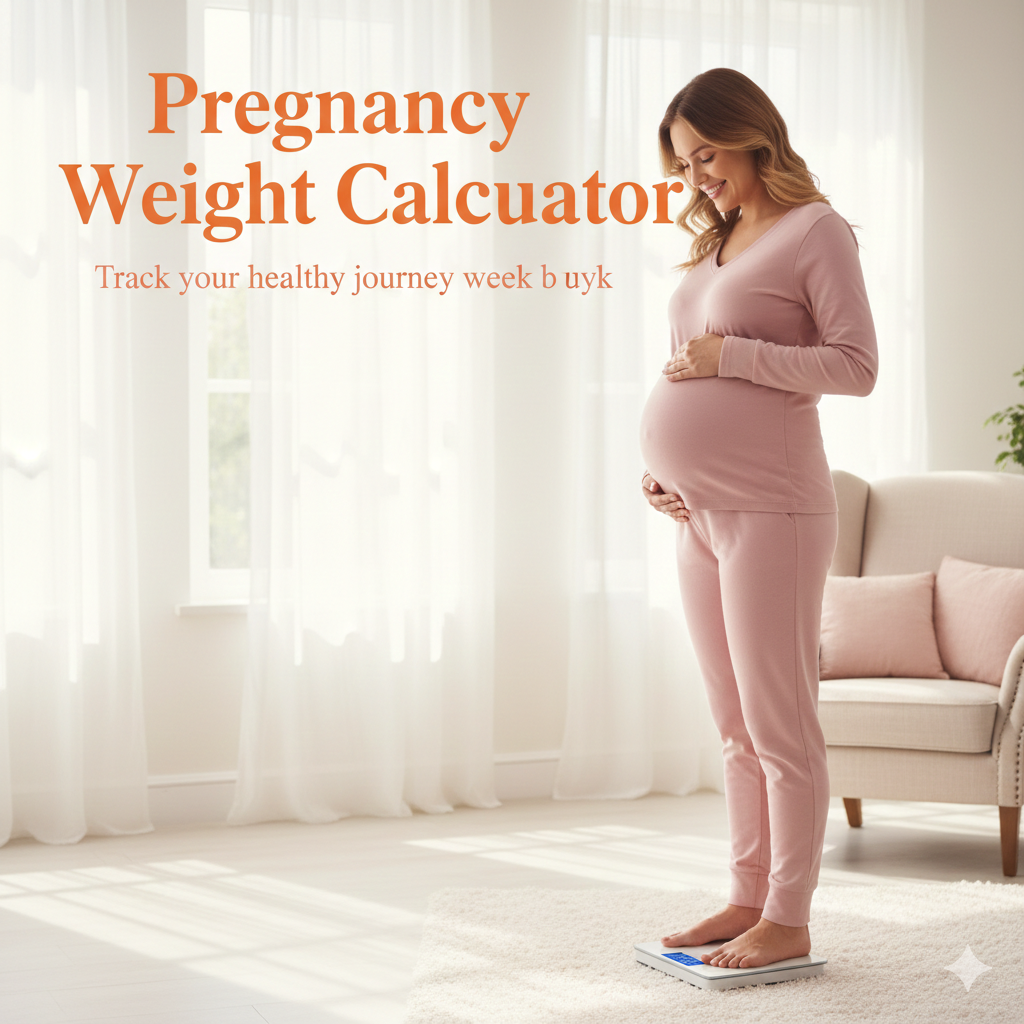
Pregnancy Weight Gain Calculator
Track your healthy weight gain journey week by week based on IOM guidelines.
IOM Compliance
Based on the latest official guidelines from the Institute of Medicine (IOM) for healthy pregnancy weight gain.
Twins Support
Specialized calculations for twin pregnancies, ensuring you and your babies get the right nutritional support.
Weekly Tracking
Track your progress week by week to catch any potential concerns early and stay on the healthy path.
Where Does the Weight Go?
It's not just fat! A healthy pregnancy involves weight gain from many sources. Here is the breakdown for an average 30 lb gain:
- Baby7-8 lbs
- Placenta1-2 lbs
- Amniotic Fluid2 lbs
- Uterus Growth2 lbs
- Maternal Blood4 lbs
- Breast Tissue2 lbs
- Maternal Fat/Stores7 lbs
Important Notes
Always Consult Your Doctor
This calculator provides general estimates based on IOM guidelines. Every pregnancy is unique. Your healthcare provider knows your specific medical history and needs.
Sudden Changes
Sudden, rapid weight gain (more than 2 lbs in a week) can sometimes be a sign of preeclampsia. If you notice sudden swelling or rapid gain, contact your doctor immediately.
Weight Loss?
It is generally not recommended to lose weight during pregnancy. However, some weight loss in the first trimester due to nausea is common.
For Developers: Embed This Tool
Add this professional pregnancy weight gain calculator to your health blog or medical website. Completely free and respectful of user privacy.
<iframe src="https://instant-calculators.pro/embed/pregnancy-weight-gain-calculator/" width="100%" height="650" style="border:0; border-radius: 12px; overflow:hidden;" scrolling="no"></iframe>
<p>Tool by <a href="https://instant-calculators.pro/">Instant Calculators</a></p>